If you own an older house, it’s likely you won’t know exactly when it was built, with many surveyors’ reports or council records indicating ‘c.1900’, ‘c.1920’ or similar. When your house was built can tell you about how an area has changed, who landowners were and how they made their wealth, and also the history of urban planning in the UK (a fascinating story, not at all as dull as it may sound!).
Unless the chain of deeds and transactions has survived, you won’t know the names and occupations of former owners and residents. Who lived in your house is an incredibly rich social story, of trades and occupations no longer existent; or of personal triumphs, intrigues and losses.
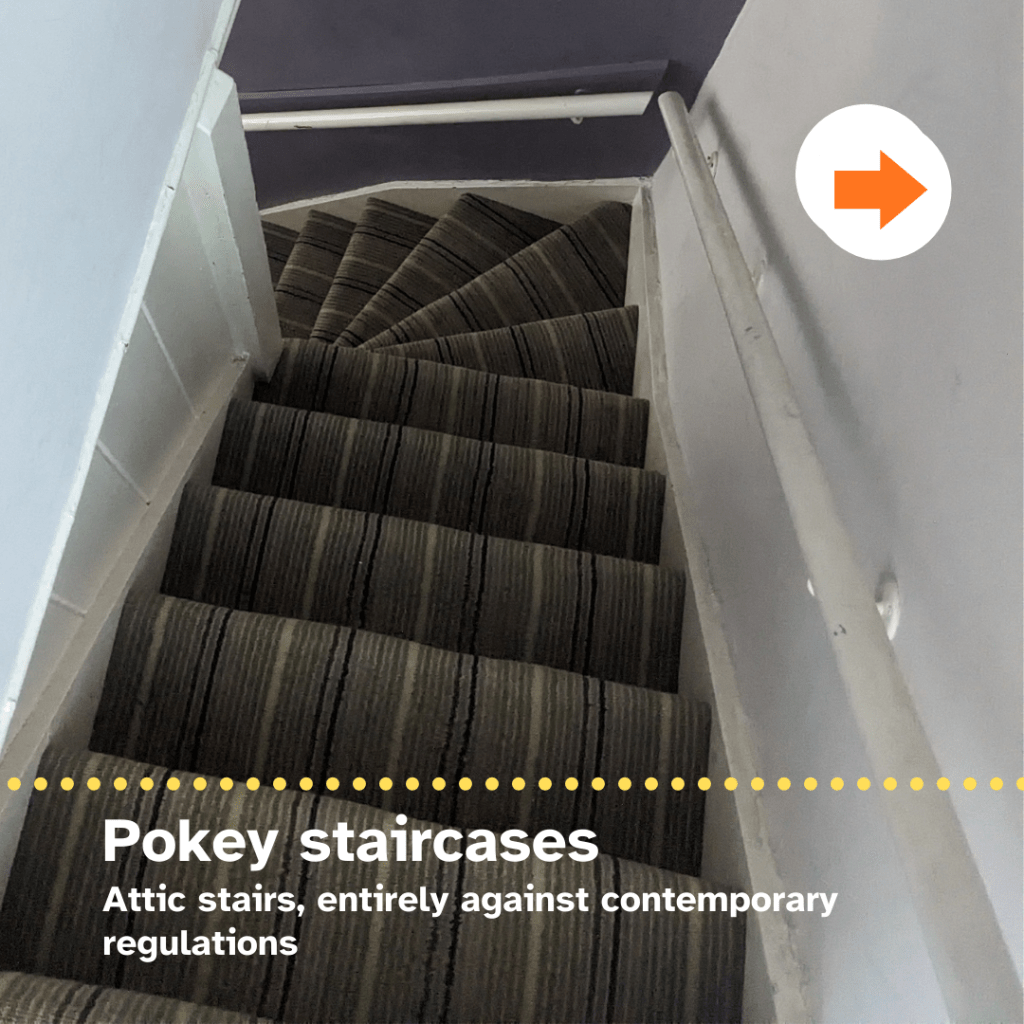
When it comes to doing works on your house, you’ll probably come across interesting construction techniques which don’t conform with current building regulations. Being sensitive to the materials used, understanding the system of structural elements and layers, is central to the success of new interventions.
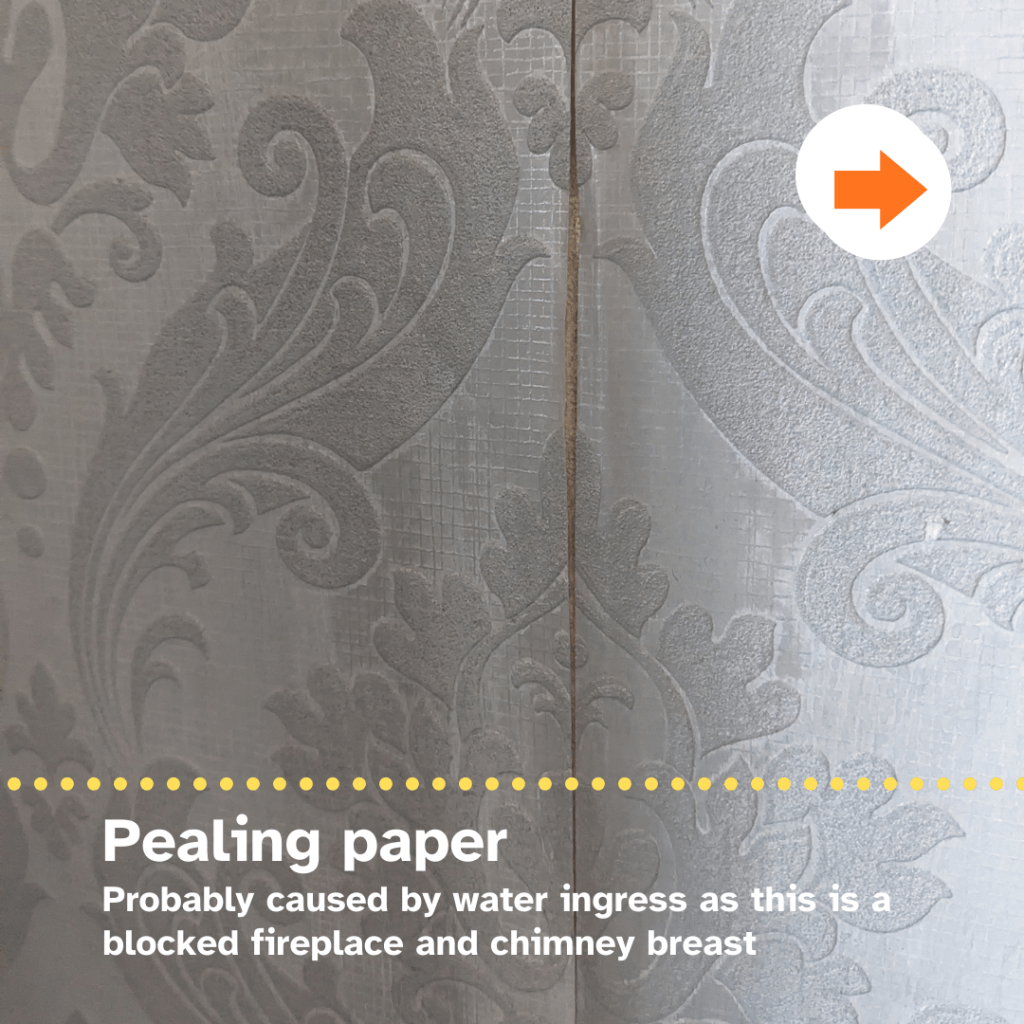
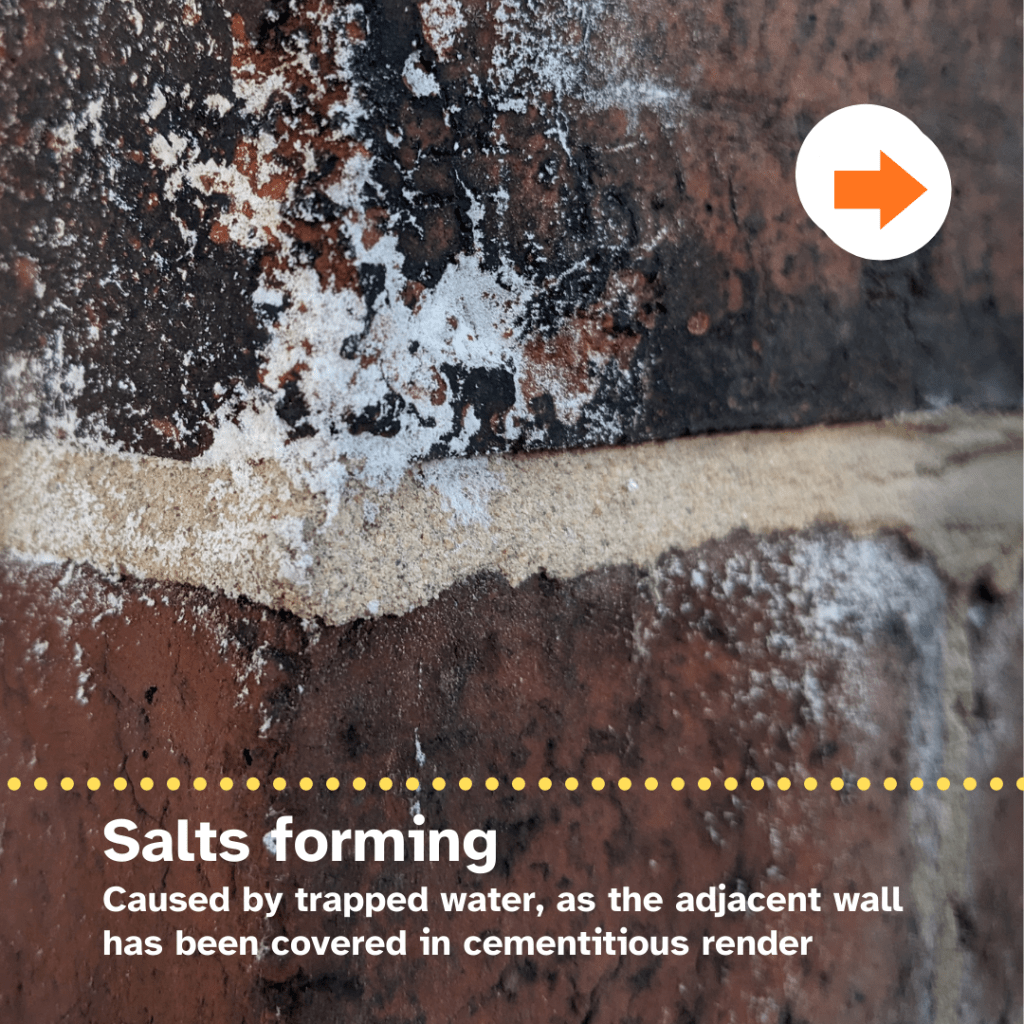
As we transition to low carbon futures, it is absolutely vital that older, ‘solid wall’ buildings are sensitively altered to prevent problems caused by trapped moisture, whether that’s mould or the need for increased heating or wasteful dehumidification. We can learn how to live with less carbon, by learning how the former residents lived in our houses.
For all of these reasons, and more, knowing a little about the history of your house can be an incredibly interesting and empowering thing. And Parks and Pavements Past can help, by:
- conducting house history research on your behalf
- running workshops online and in person so that you to learn the skills you need to start your own research
- creating free, easy to understand resources introducing you to local history research and sources
Over the coming weeks, I’ll be blogging about my own house history research, from first beginning to deep dives into the social lives of former residents. Please comment, like or share, and if you’d like to get started with your own house history, contact us.



 Parks & Pavements Past
Leave a comment